

699 S. Mill Ave. #115, Tempe AZ 85281
Each year in February, the Arizona Matsuri event is the region’s premier celebration of Japanese food and culture. Until recently, that was the main use of the word matsuri, which translates as festival, in Phoenix. Now, a restaurant with the full name Matsuri Izakaya on Mill, unrelated to the festival in Phoenix, is trying to create a sort of continually festive experience in downtown Tempe. Masturi is under the same ownership as Motomoto, a full-service restaurant in downtown Phoenix, but the owners have taken a more casual approach on Mill Avenue.

The restaurant is located four blocks south Mill Avenue / Third Street station on the A Line and along the route of the Tempe Streetcar. Bike racks are found on every block along Mill and on Seventh Street around the corner. An inviting patio wraps around the space, but it’s strangely unused, even during the most pleasant weather. The staff’s explanation is that somehow the QR-code ordering system does not work outside. That’s right: Matsuri is part of the trend of customers scanning menus with their phones and placing orders from their own devices.

There are some large printed menus provided, and that’s helpful in terms of seeing photos of items. Nevertheless, all ordering and payment is handled via smartphone. That may seem impersonal, but it does have an advantage of precision when modifications to items are requested. The chief drawback is the previously mentioned lack of outdoor service. That’s vexing in the pedestrian-friendly environment of Mill Avenue, but a focus on the interior at least seems in keeping with the idea of an izakaya, which is a Japanese version of a pub or tavern.

Speaking of izakayas, that’s a word used with abandon by local restaurateurs, often with minimal connection to the original meaning in the context of Japanese culture. Matsuri’s decor, which is full of signs in Japanese, suggests Tokyo urbanity and late night dining. Its menu is not as tight as a traditional izakaya but not as expansive as many local places that try to be all things to everyone. The main areas of focus are small, shareable items; rice and noodle bowls; and a limited selection of sushi. Of the three, the first is closest to traditional izakaya fare.

Snacks to be passed around the table include edamame, either salted or spicy, and nori fries, slivers of crisp potato with a light dusting of dried seaweed and seasoning and side of spicy aioli for dipping. Other fried options include karaage, bits of chewy chicken thigh with a crisp exterior and optional spicy miso sauce, and tempura shrimp or a meatless combination of fried pumpkin and shisito peppers. Braised bok choy, served cold with a splash of vinegar and oil and toppings of bonito flakes and sesame seeds, adds some greenery to a meal of protein and starch.

Meals in a bowl fall into three categories: donburi, ramen, and udon. The donburi are rice bowls with different choices of meat and vegetable toppings. A good place to start is with the Matsuri beef bowl, essentially gyudon by another name. It features tender, lean beef generously seasoned with pickled onion, ginger, and a little bit of scallion. Curry with beef or pork katsu, along with chicken karaage, are other options for topping the rice. A serving of baked salmon is served not in a bowl, but instead salted, marinated, and enveloped in foil with enoki mushrooms.
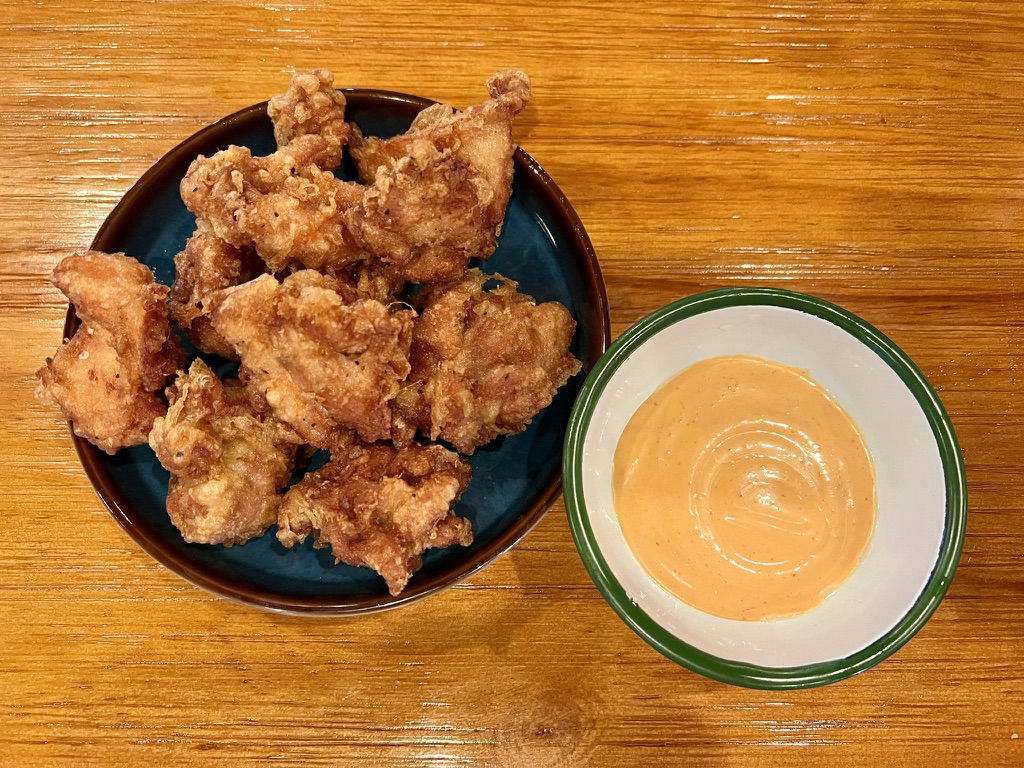
Many of the same items served as izakaya fare or as donburi toppings are also available over udon noodles. Shrimp tempura udon tops the thick noodles with breaded crustacean. Beef curry udon is essentially a seasoned slurry, a thick mass of Japanese curry sauce that integrates over time with the dark broth. While the udon is relatively mild, the ramen bowls make more of a statement through their assertive broths. Spicy shoyu ramen involves bok choy, chicken, and an egg in a vibrant red broth. Tonkatsu and miso broths form the basis of other ramen soups here.

The sushi selection here is presented more as bar food than as something to be savored at a sushi counter. The emphasis is on open rolls in which a sheet of nori forms a sort of gossamer taco shell around a mound of rice and toppings. There are also more cooked and non-seafood offerings than at a place dedicated primarily to sushi. Salmon tartare and tuna taku are both more traditional uncooked fish sushi while the vegan tofu roll features cubes of bean curd in a tangy sauce. Sashimi is presented simply with slivers of fish and slices of lemon or jalapeño.

The dessert selection focuses on ice cream in matcha and vanilla flavors. If ordered on its own, a scoop is served in a small wooden box. It can also be upgraded with miniature taiyaki fish-shaped buns or mitarashi dango, Japanese rice flour dumplings served on skewers. Drinks include a vibrant green matcha iced tea and assorted flavors of Ramune Japanese sodas. Those sweetened, carbonated, and bottled beverages also play a crucial role in the restaurant’s approach to cocktails, where they are often offered mixed with Japanese whiskeys or sake.
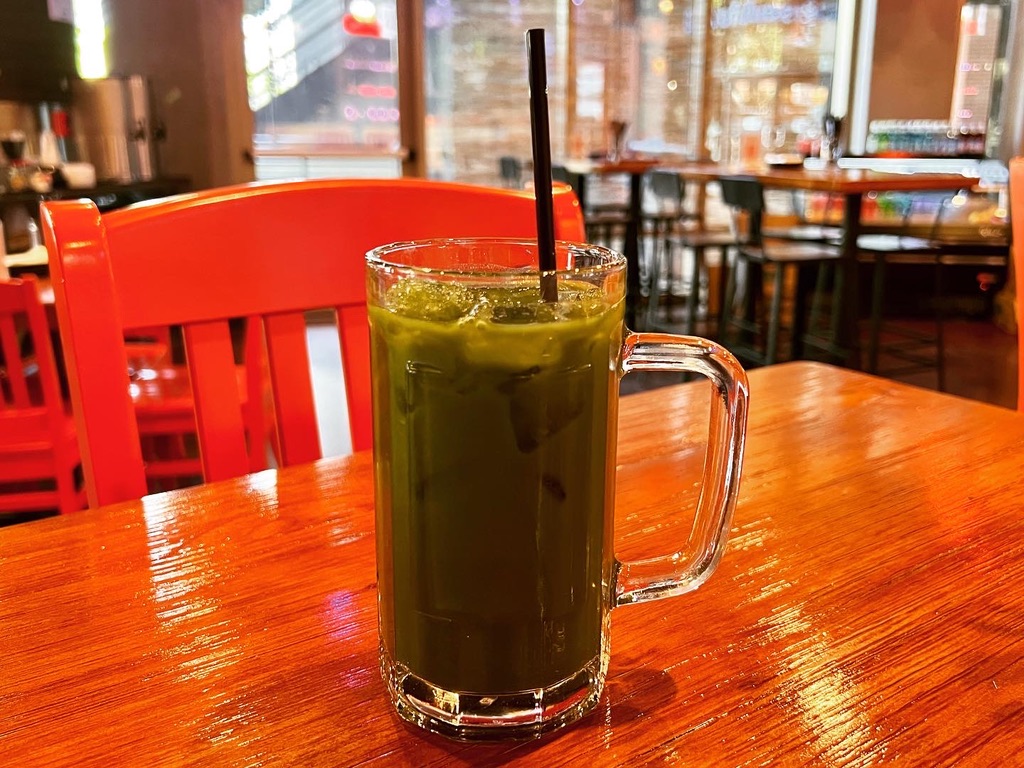
The tap handles include the usual Japanese restaurant favorites Kirin Ichiban and Sapporo, along with a selection of craft brews of more local origin like Barrio’s Brewing’s Tucson Blonde and the Shop’s Church Music IPA. By day, Mastsuri is generally sedate. At night, it picks up with an atmosphere designed for evening drinking and dining. It’s still a far cry from a traditional Japanese izakaya, but it does offer an alternative to the bar food and burgers found elsewhere on Mill. This Matsuri may not be a festival per se, but it does at least manage to be festive.
 PHX Rail Food