

Sometimes, a particular space seems destined for one specific type of restaurant. At CityScape in downtown Phoenix, a specific location is now home to its third Japanese-inspired restaurant. The latest tenant is Obon, part of a group of Japanese-influenced full service restaurants based in Tucson. After an initial foray into central Arizona with two restaurants in Scottsdale and one another a different brand name in the Biltmore area, Obon is now in downtown Phoenix with an urban site similar to its original location a hundred miles to the south in downtown Tucson.
Obon’s CityScape location has a Jefferson Street address, but its entrance is situated on the block of Central Avenue accessible only to trains and pedestrians. The northbound platform for the B Line is directly outside the restaurant, so close that platform announcements are audible to anyone sitting at the patio or the outdoor portion of the bar counter. Platforms for southbound trains, as well as the A line to Tempe and Mesa, are all found within a block’s walk as part of the Downtown Phoenix Hub. Bike racks are situated nearby outside the CityScape CVS store.
One of the reasons that Obon’s downtown space has been home to three successive Japanese-ish restaurants is a built-in sushi bar placed prominently behind the entrance. Customers can sit there, in the adjacent dining room, on the patio, or at the bar, which has counters both inside and outside. While there has been little change to the structural elements of the space, Obon has opted for a darker and more traditional look than the previous two tenants. Natural wood, tatami walls, and hanging lanterns all create an urbane atmosphere.
With decor that seems somewhat more authentic, the same can be said of the food at Obon. To be clear, the combination of sushi, ramen, and several plated entrees is still a broad approach to a nuanced cuisine with many specialties that would typically have their own niche restaurants in Japan. Nevertheless, it’s still a refreshing change from the hyper-Americanized sushi and all-things-to-everyone approaches seen previously in this space. As a bonus, Obon does not call itself an izakaya, a word now misused nearly as much as “bistro” has been for decades.
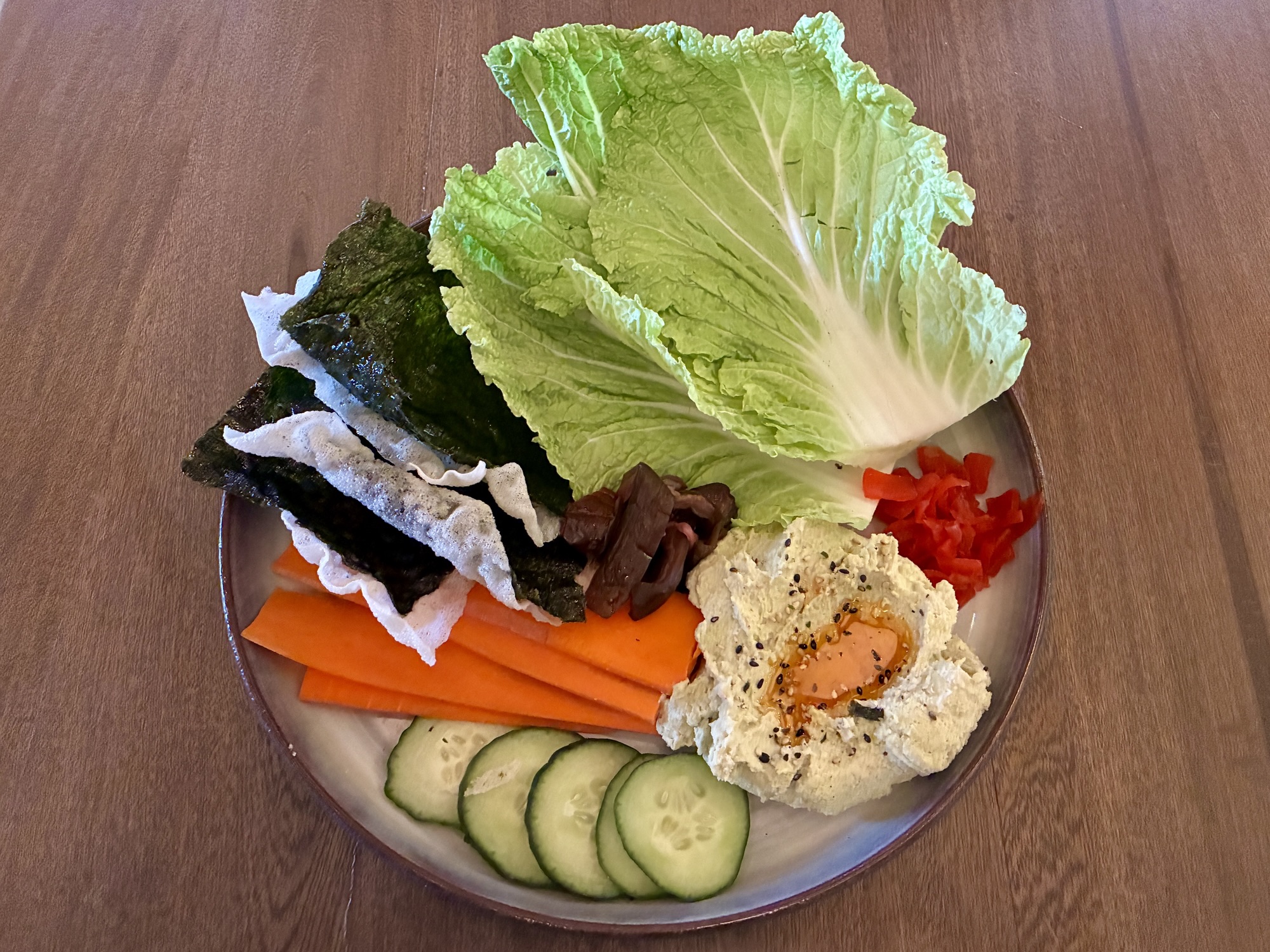
Obon’s menu begins with standard items like gyoza and edamame, adding some trendy touches like edamame hummus. Its taste is not obviously distinguishable from the traditional type made with chickpeas, but it is attractively presented with carrots, pickled onions, sesame oil, and sheets of nori fried in tempura batter. Miso soup is rich and milky, and cucumber sunomono offers a vibrant version with pickled Fresno chiles and sliced white onions. Tuna tostadas begin with a crunchy base layer topped with fish, furikake aioli, soy chili crunch, onion, and cilantro.
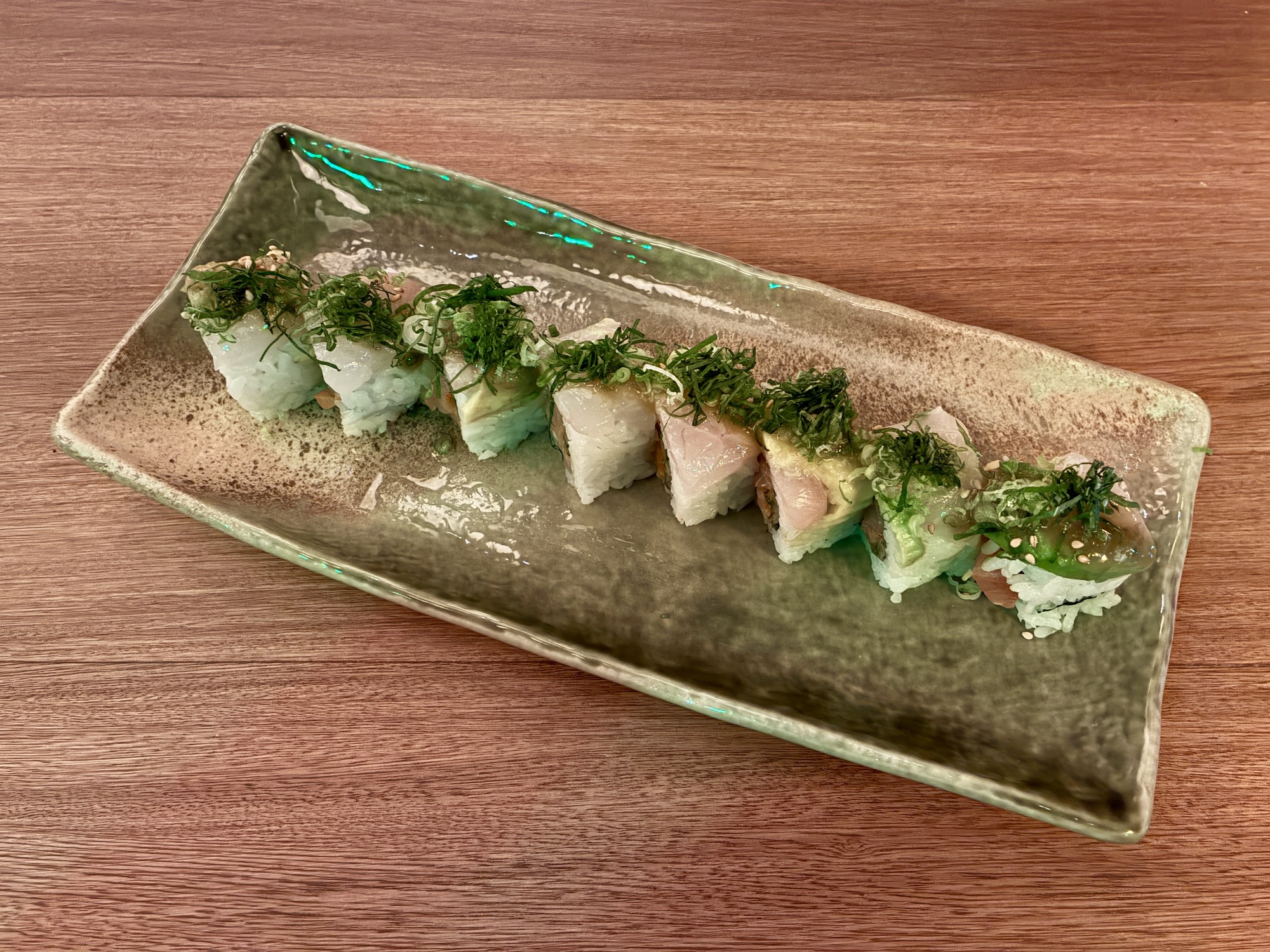
The sushi bar produces a fairly typical array of popular nigiri and sashimi choices. Specialty rolls are somewhat more restrained in both quantity offered and quantity of ingredients than at many other local places, including the two prior tenants here. That’s a welcome development since often sushi benefits from a less-is-more approach that places more emphasis on ingredient quality and preparation. Shiro maki, for example, is a relatively simple yellowtail hand roll with the rice and fish under a layer of avocado, sesame, whitefish, and a little coarse salt on top.
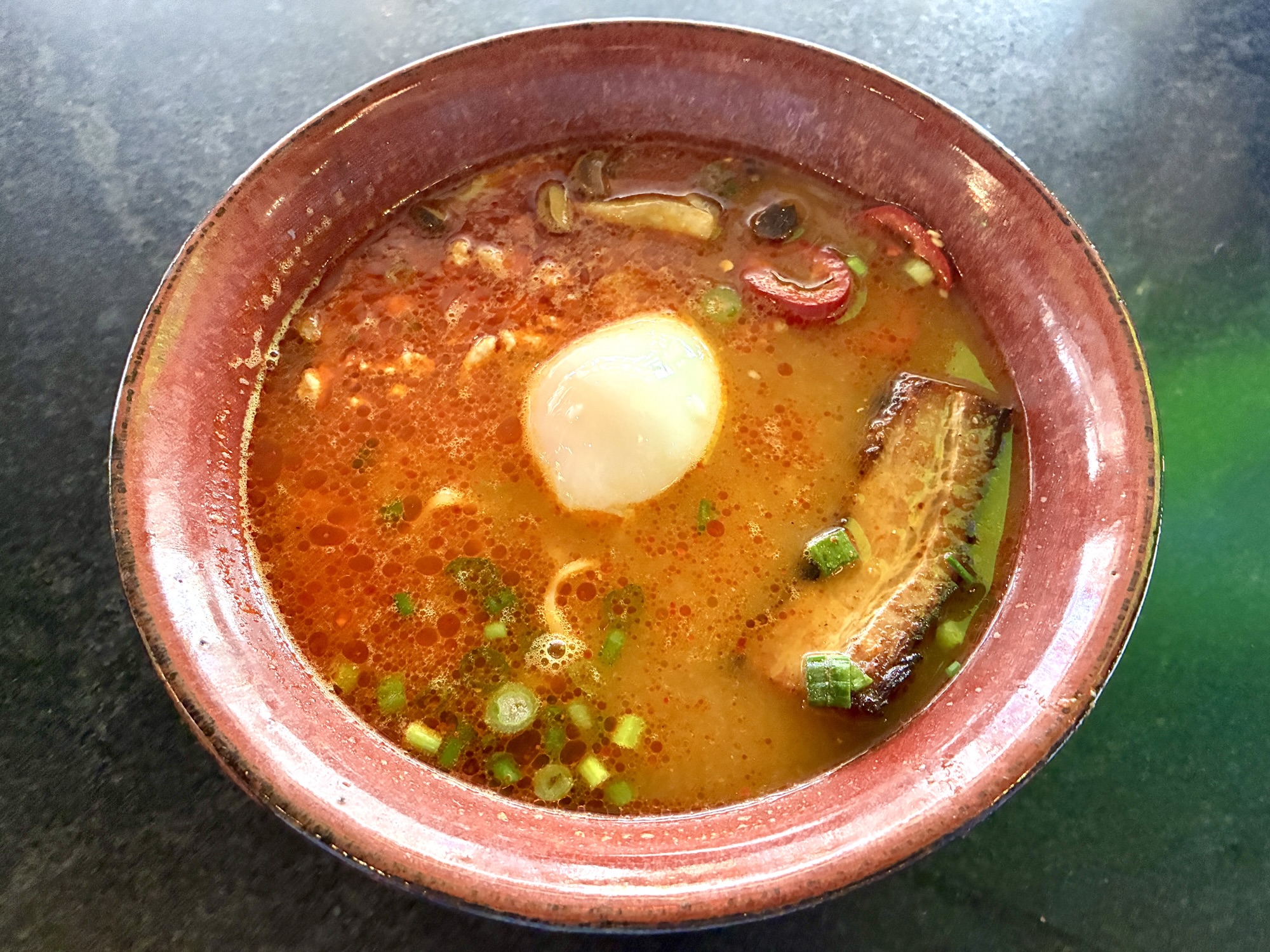
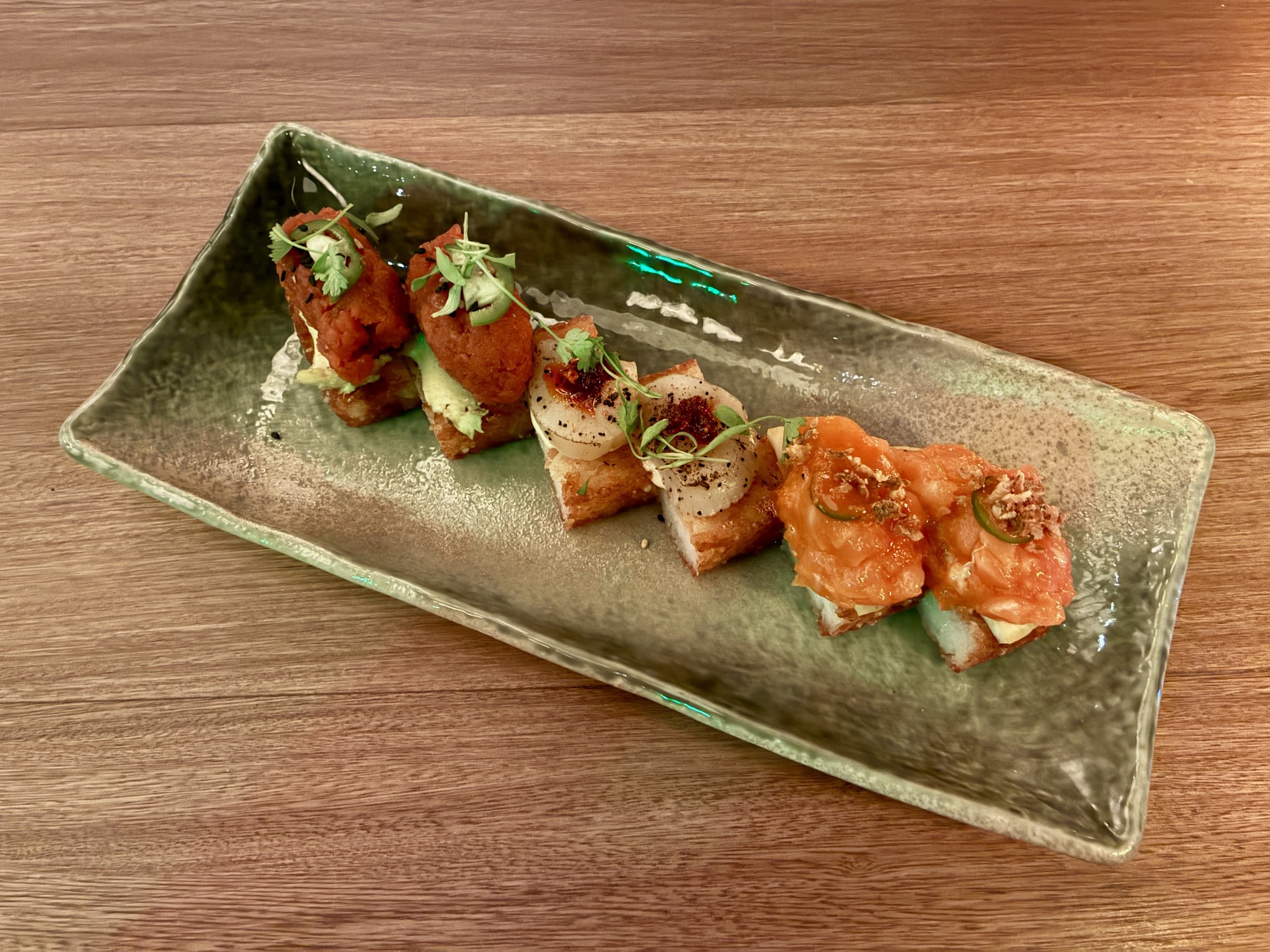
A nigiri variant served on a patty of crisp rice comes in three options: tuna, scallops, and salmon with the option to have all three as a trio. The restaurant’s second specialty is ramen. An eponymous bowl of Obon ramen offers pork belly and ground chicken in a red miso broth that becomes slightly spicier as one digs deeper. “Original” (essentially shoyu) and tonkotsu soups are also available. With the exception of the “death free” vegan ramen, all the soups are accentuated with a 64-degree egg, a reference to the sous vide cooking used in preparation.
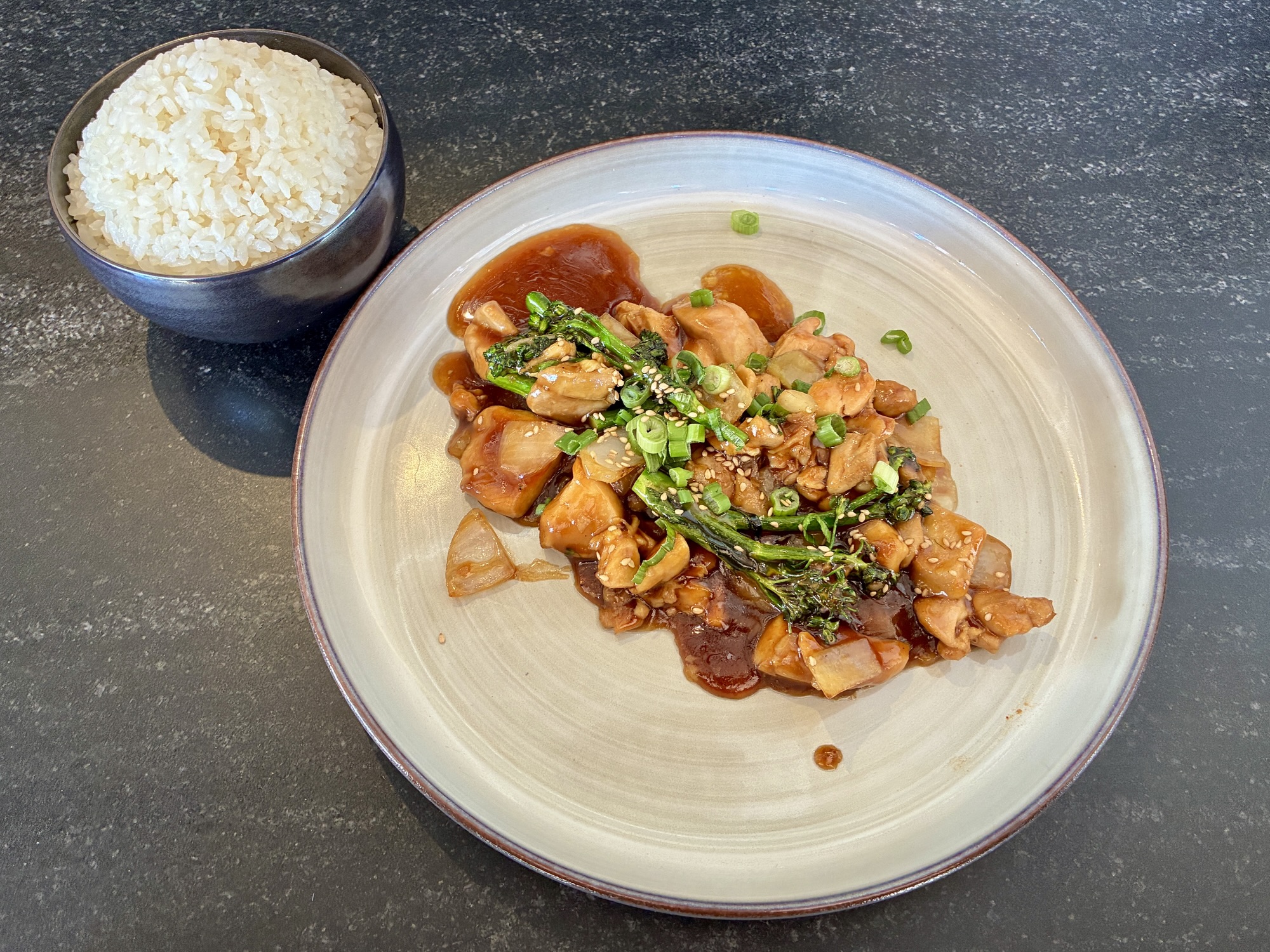
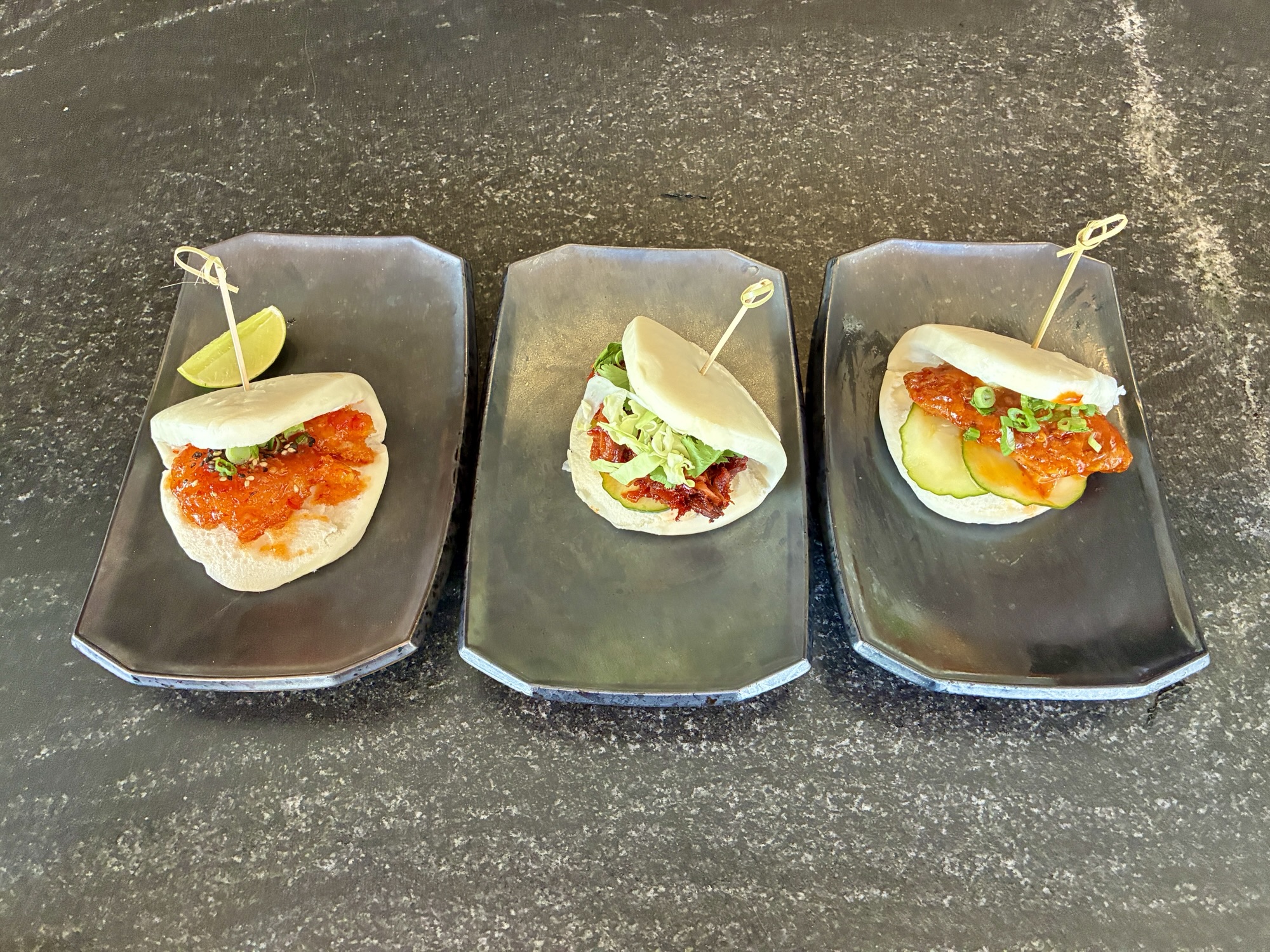
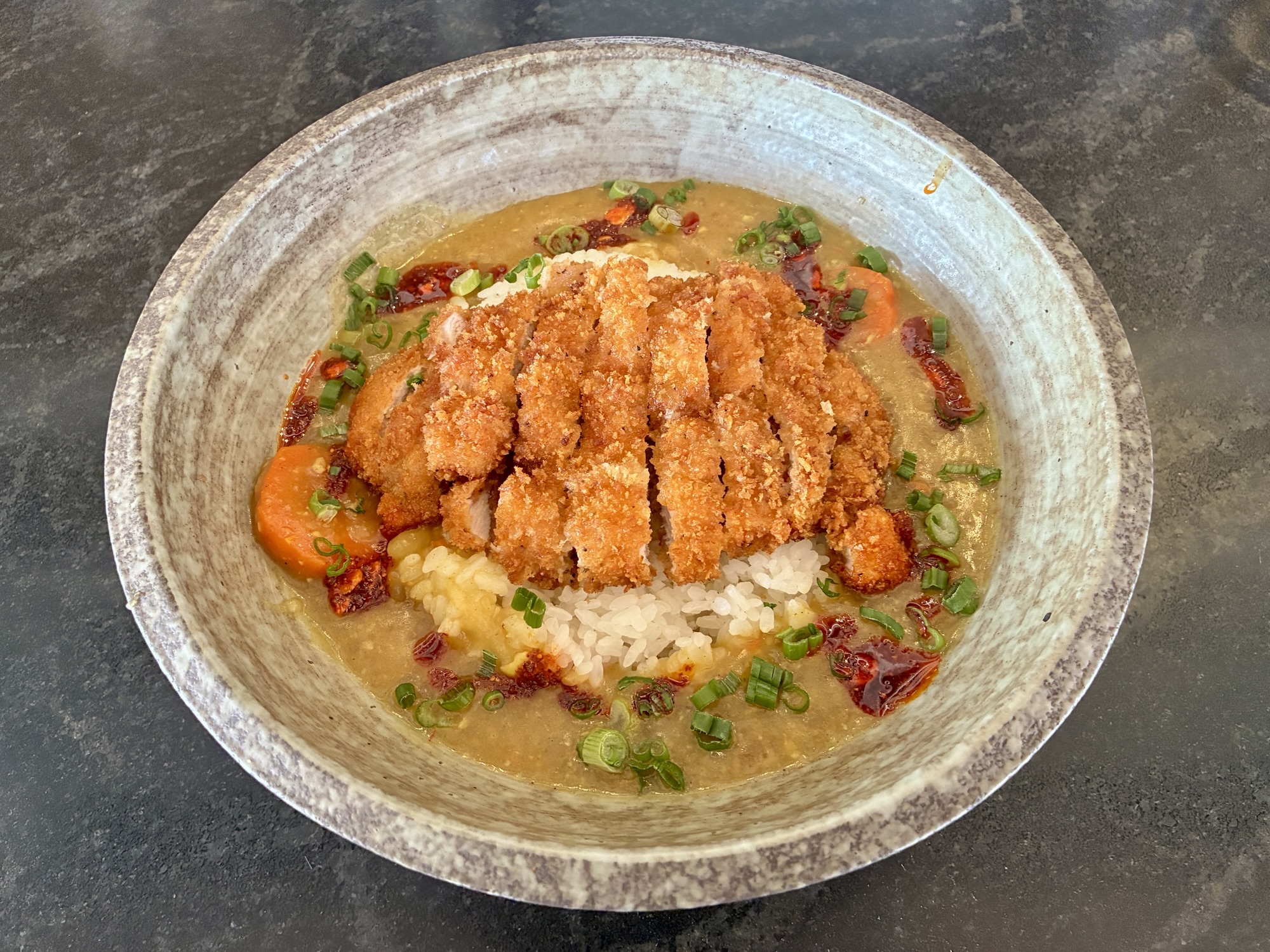
Bao are more of Taiwanese origin than Japanese, but they find their way onto the menu as a hand food to enjoy as an appetizer or light entree. They’re available in four types, and the Korean fried chicken is the most satisfying. Cooked entrees include a chicken katsu curry, a nicely nuanced version that leads with the typically sweet, mild taste of Japanese curry but then sneaks some spice in via scallions and chili oil. Chicken teriyaki is more mundane in contrast, a serviceable entree but lacking any panache to distinguish it from ubiquitous fast food rice bowls.
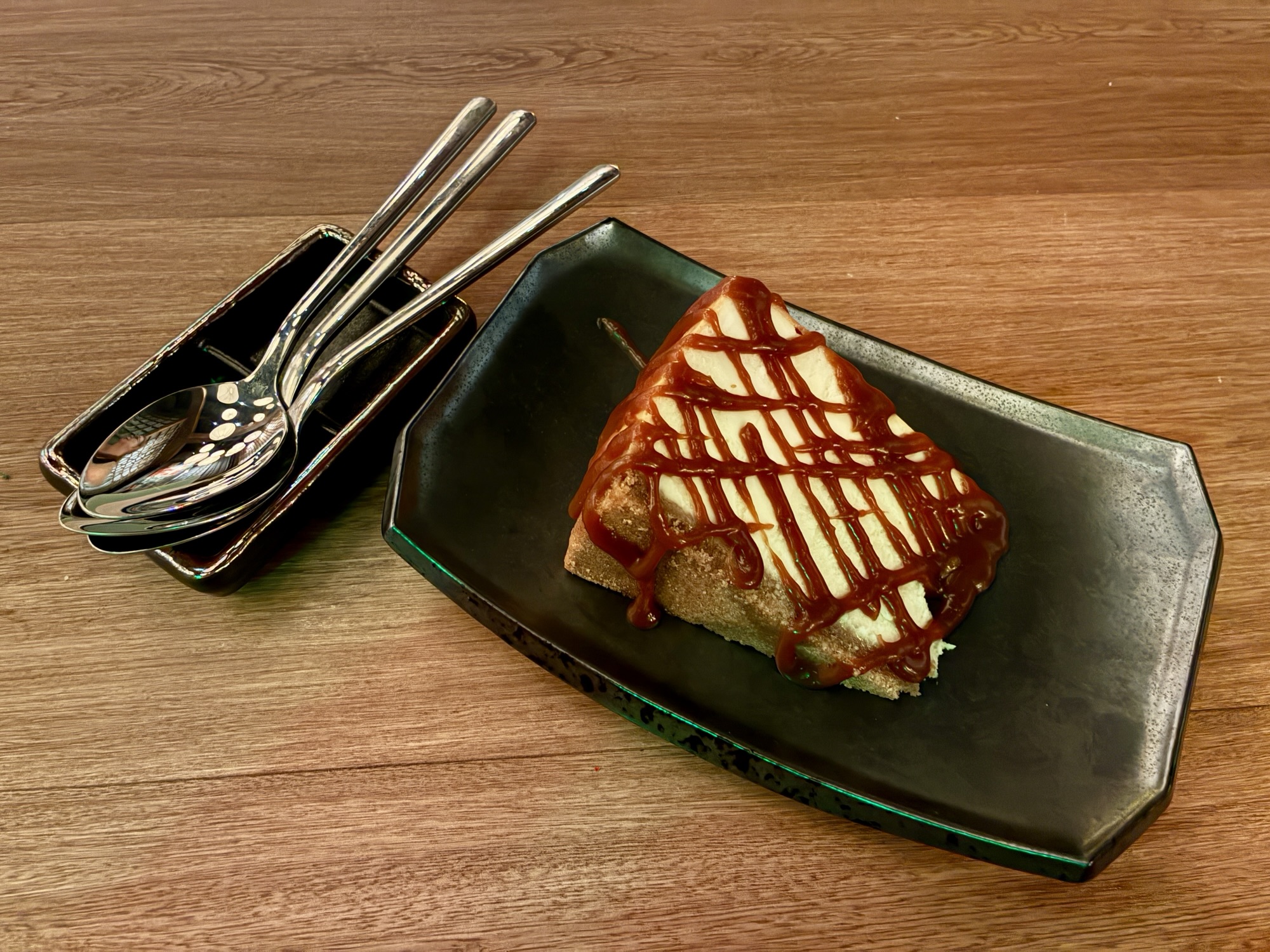
Obon has recently added a brunch menu that features traditional American morning and midday fare reinterpreted with some Japanese influences. That includes avocado toast made with milk bread and dusted with furikake, French toast seasoned with yuzu, and smoked salmon and cream cheese on top of crispy rice cakes. The desserts are less interesting than the rest of the menu with standard choices such as mochi, green tea ice cream, and miso cheesecake. The last item is the best with a multi-faceted taste profile that leads with salt and ends with sugar.
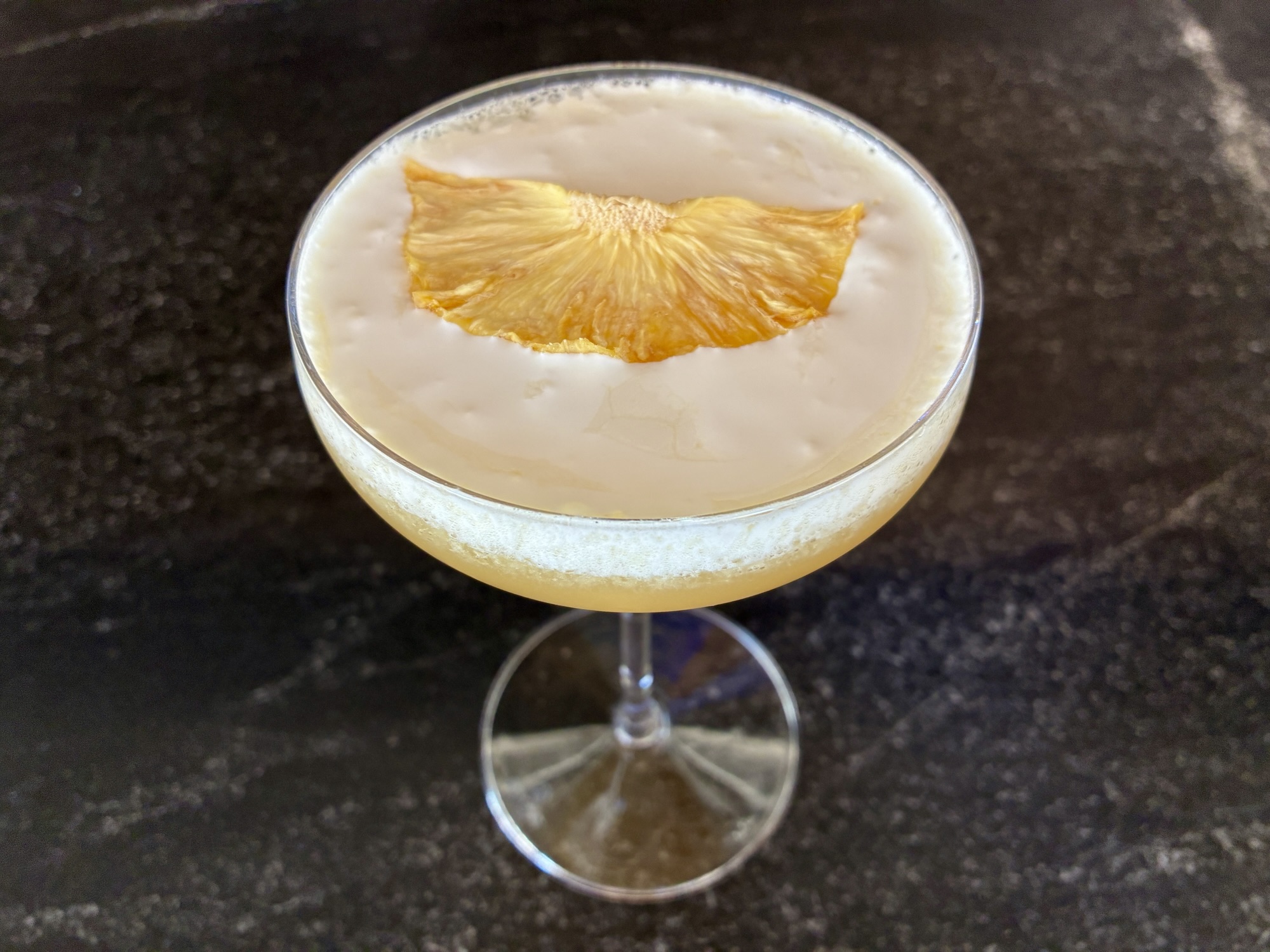
Obon’s bar offers sake, wine, beer and cocktails. Thaiger’s Blood is essentially a spicy margarita with blood orange and Thai basil in the drink with an interesting rim of dried hibiscus. Pineapple Express is a strong yet fruity drink with a foam at the top that is best enjoyed last like a little bit of liquid dessert. In Japanese, the word “obon” describes the practice of honoring one’s ancestors. With Obon at CityScape, it seems a little more like a case of improving upon those who have come before with an improved downtown Japanese restaurant experience.
2 E. Jefferson St., Phoenix AZ 85004
https://www.obonsushi.com
 PHX Rail Food